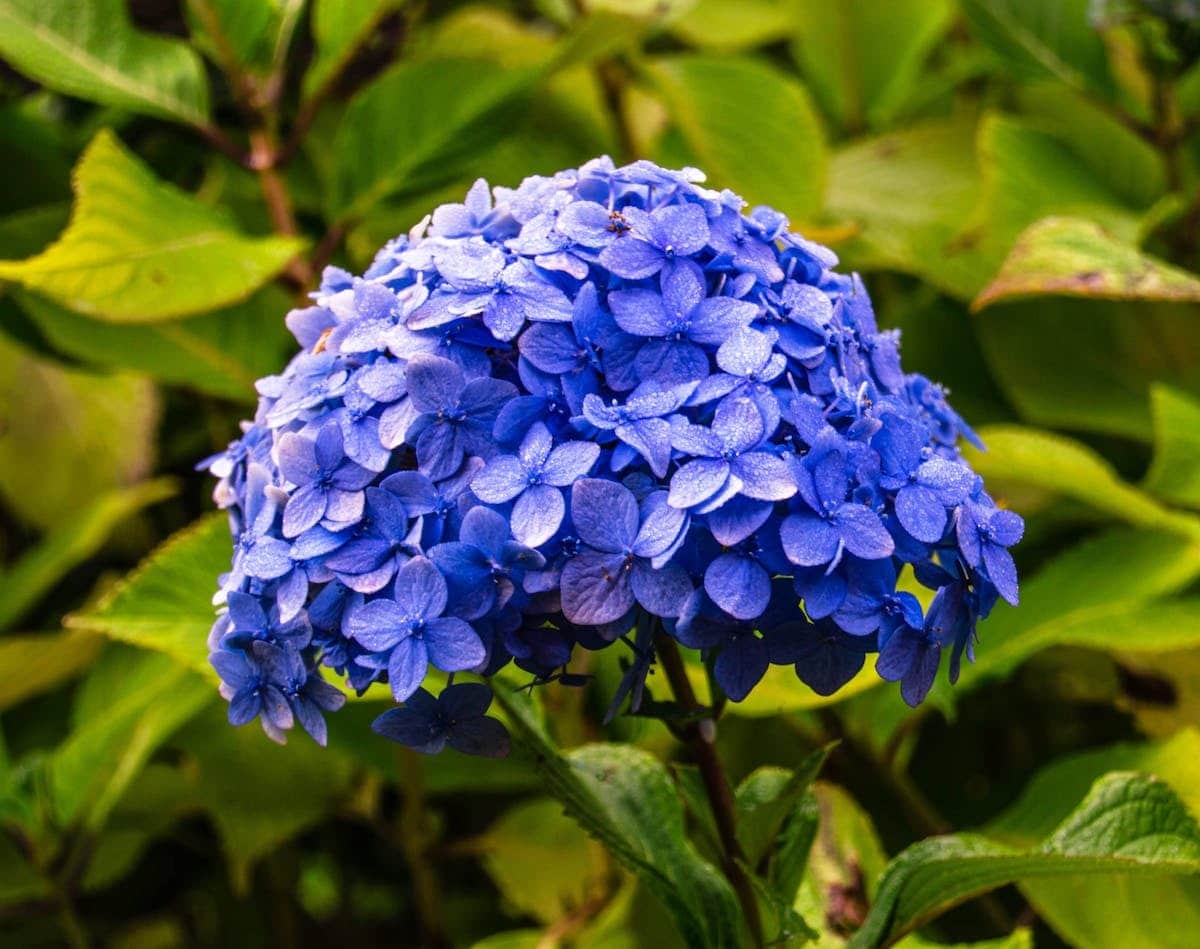
If you have ever grown hydrangeas, you know how delicate these plants can be. One of the major concerns for amateur or professional horticulturists is related to the fertilization of these ornamental plants. Hydrangeas have specific nutritional needs, and the timing of fertilizer application is crucial for their health and blooming. Therefore, you need a reliable resource that can guide gardeners through this process. Here is a detailed guide to fertilizing your hydrangeas at the right time, taking into account the different types of hydrangeas and the climatic conditions of your region.
Hydrangeas: Understanding Their Growth Cycle to Help Them Thrive
Hydrangeas are renowned for their generous blooming and vibrant colors. However, to reach this potential, they need specific nutrients that you can easily provide with the use of an appropriate hydrangea fertilizer.
Nitrogen (N), phosphorus (P), and potassium (K) are the essential macro-elements that these plants need. Nitrogen promotes leaf growth and provides a sturdy stem, while phosphorus stimulates root formation and supports flower production. Potassium, in turn, enhances resistance to various environmental stresses while facilitating the water balance of the hydrangea.
On the market, there are several types of hydrangea fertilizers: granular or water-soluble. The former stand out for their ease of use; you simply scatter them around the plant or incorporate them into the potting soil during planting or repotting operations. Water-soluble fertilizers provide immediate nutrient supply as they dissolve quickly when they come into contact with water.
The frequency of applying your hydrangea fertilizer depends on the specific type of hydrangea being grown as well as local climatic conditions. Generally, a spring application rich in nitrogen is recommended when your plants start producing their new shoots. You can then opt for a more balanced fertilizer • containing equal amounts of phosphorus and potassium • as soon as the flower buds show signs of appearing.
Finally, remember to also consider the soil pH where your hydrangeas will grow; these lovely flowers actually prefer acidic soil with a pH between 5 and 6.

Hydrangeas: Essential Nutrients for Vibrant Blooming
To optimize the fertilization of your hydrangeas, be sure to know the appropriate techniques to nourish them at the right time. Here are some valuable tips to consider:
Spring fertilization: At the beginning of spring, when temperatures start to rise and buds begin to form, it is the ideal time to apply a nitrogen-rich fertilizer. This will promote vigorous leaf growth and ensure a beautiful structure for the stems.
Pre-bloom fertilization: Just before the appearance of the first flower buds, it is recommended to switch to a more balanced fertilizer that also contains phosphorus and potassium. These elements will stimulate root development and support the abundant formation of colorful flowers.
Post-bloom fertilization: After blooming, when a large part of the plant’s energy has been used to produce its magnificent flowers, be sure to replenish the nutrient reserves in the soil and thus promote good recovery for the following year.
Foliar fertilizer: Beyond the traditional use of a soluble or granular fertilizer at the root level, you can also consider a foliar fertilization by gently spraying a well-balanced mixture on the leaves of the hydrangeas. This method allows for quick nutrient absorption through the leaves and provides an effective nutritional supplement.
Fertilization frequency: The frequency of fertilizer application will depend on the specific type of hydrangea you are growing, as well as local environmental conditions. In general, an application every two to three months during the active growing season is recommended to maintain a constant nutrient supply.
Soil pH control: As mentioned earlier, hydrangeas prefer acidic soil with a pH between 5 and 6. Be sure to regularly monitor the pH of the soil in which your hydrangeas are planted and adjust if necessary using appropriate amendments.
By following these fertilization techniques at the right time, you will provide your hydrangeas with all the resources they need to thrive and offer a colorful explosion in your garden.
Hydrangeas: Fertilizing at the Right Time for Spectacular Results
It is important to note that certain common mistakes can compromise the expected benefits of fertilization. Here are some mistakes to avoid when it comes to nourishing your hydrangeas:
Over-fertilizing: It can be tempting to do too much, thinking that more fertilizer means better growth and more abundant flowers. Over-fertilization can lead to root burns and a nutritional imbalance that could harm the overall health of your hydrangeas.
Underestimating the importance of composting: Composting is often overlooked, but it is a natural and effective method to nourish your plants without resorting to chemical fertilizers. Compost adds essential nutrients to the soil while improving its structure and water retention.
Neglecting the soil test: Before applying any type of fertilizer or amendment, it is crucial to know the specific needs of the soil in which your hydrangeas are growing. A simple pH test will determine whether your soil is acidic or alkaline, helping you adjust your fertilization accordingly.
Using an inappropriate fertilizer: Each species of hydrangea has its own specific nutritional requirements. Using an unsuitable fertilizer may not provide the necessary nutrients your plant needs to thrive. Research your hydrangea’s preferences and choose a fertilizer that meets its needs.
Ignoring adequate watering: Effective fertilization goes hand in hand with proper watering. Ensure that your hydrangeas receive the right amount of water, as insufficient or excessive hydration can affect their ability to absorb nutrients from the soil.
Forgetting about seasonality: It is essential to consider the different seasons when fertilizing hydrangeas. Nutritional needs may vary throughout the year depending on the natural growth and blooming cycles.
By avoiding these common mistakes, you can fully benefit from the advantages of wise fertilization for your hydrangeas. Take the time to carefully study their specific needs, adapt your approach based on the soil and local environmental conditions, and you will be rewarded with lush plants that illuminate your garden with their spectacular brilliance.
Hydrangeas: Pitfalls to Avoid When Fertilizing to Preserve Their Health
Beyond the mistakes to avoid, it is important to know the best practices for fertilizing your hydrangeas at the right time. Here are some wise tips to guide you in this endeavor:
Understand the growth cycle: Hydrangeas have a well-defined vegetative cycle, with a dormant period in winter followed by a resumption of growth in spring and blooming in summer. It is essential to respect these different phases.
Fertilize at the beginning of spring: As winter ends, when your hydrangeas start showing signs of vegetative resumption, it is the ideal time to give them a nutritional boost. Use a balanced fertilizer specially formulated for acid-loving plants, rich in trace elements like iron and magnesium.
Spread a slow-release organic fertilizer: To ensure regular feeding over a longer period, also opt for a slow-release organic fertilizer that you can spread around the roots or incorporate into the soil during repotting or when it comes to a new landscaping project.
Feed during blooming: When your hydrangeas are covered in beautiful colorful flowers during the summer, they can benefit from an additional dose of potassium-rich fertilizer that will promote abundant and lasting blooming.
Avoid fertilization at the end of the season: As autumn approaches, it is best to avoid fertilization to allow the hydrangeas to slow their growth and prepare to enter dormancy. This will promote better cold resistance and protection against winter conditions.
Monitor the signals from the plants: Pay close attention to your hydrangeas throughout the season. Signals such as yellowing leaves or a decrease in the number of flowers may indicate a lack of nutrients or an imbalance in fertilization. Adjust your practices accordingly to meet the specific needs of your plants.
By following these wise tips, you will be able to optimize the nutrition of your hydrangeas throughout their vegetative cycle, resulting in vibrant blooms and enhanced overall health.