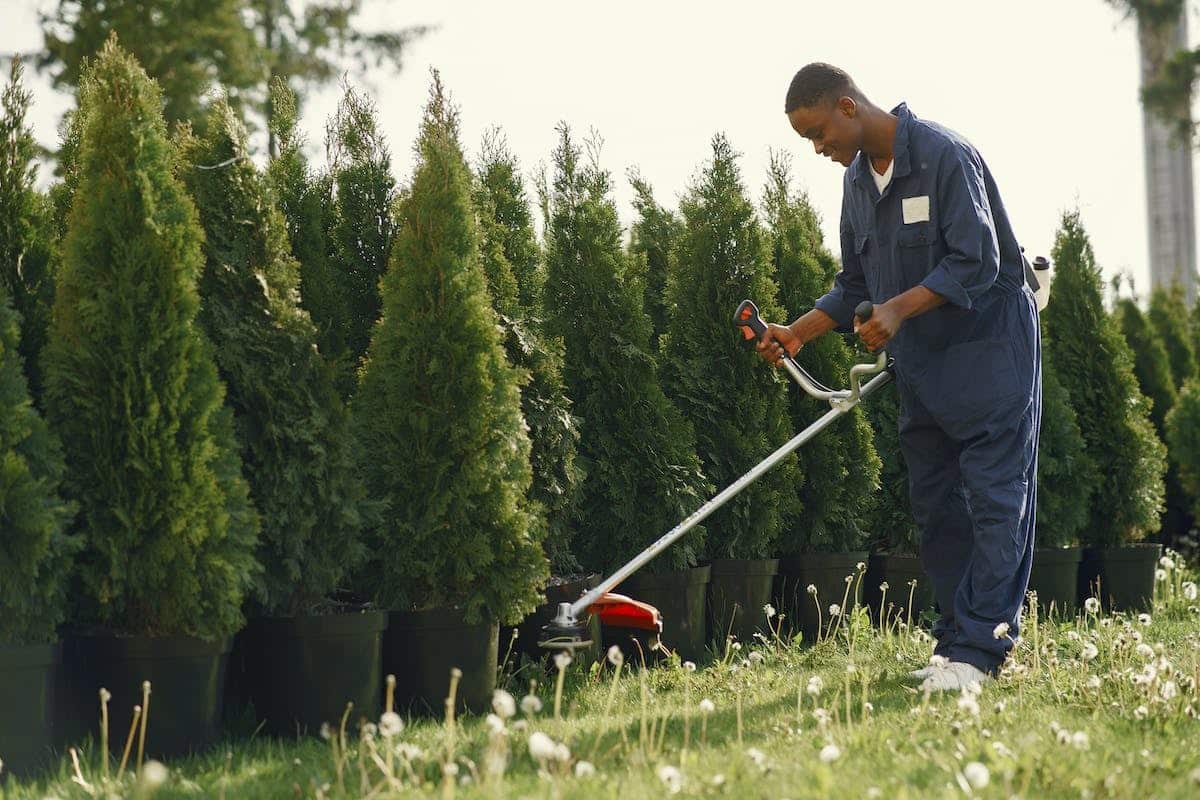
In the world of gardening, the efficiency of tools is crucial. An important choice arises when acquiring a brush cutter: to opt for a line or a blade. This choice is not trivial and several factors must be taken into account. The nature of the vegetation to be cut, the size of the area, the frequency of use, and the desired level of comfort are all points to consider. Since every gardener has specific needs, it is essential to understand the advantages and disadvantages of each option. Making an informed choice will optimize gardening work.
The secrets of the line and the blade of the brush cutter: understanding everything
When it comes to choosing between a line or a blade for your brush cutter, you need to consider versatility and precision. The line allows for precise cutting of fine grass. When faced with dense and tall vegetation, the line may not be powerful enough. This is where the high grass brush cutter blade comes into play. With its sharp teeth and robustness, it is specially designed to tackle thick grasses.
Reliability and durability are also important aspects to consider. If you plan to use your brush cutter intensively, it is necessary to choose a tool that withstands the test of time. In this area, the blade often proves to be stronger than the line, which can wear out quickly with repeated use on rough terrain.
For those who primarily seek versatility and precision in their gardening tasks, the choice between the line or the blade should take into account the specific type of vegetation you need to cut regularly. The filament has the advantage of being adaptable to different situations thanks to its various diameters available on the market, while the blade is better suited for thick brush or stubborn weeds.
Another essential aspect is performance and efficiency. If you want a quick and clean cut, the high grass brush cutter blade offers a high rotation speed that allows for efficient work. In contrast, the line may sometimes require multiple passes to achieve a satisfactory result.
In terms of ergonomics and maneuverability, each tool has its advantages. The line generally weighs less than the blade, making it easier to handle over long periods. The blade, on the other hand, requires more experience to use correctly due to the increased risk of injury when it comes into contact with solid objects.
You should also consider difficult conditions or if you regularly cut in rocky or fibrous areas. Blades tend to be more durable but require regular sharpening or even complete replacement after a certain period of use.
Choosing between a line or a blade for your brush cutter will mainly depend on the type of vegetation you wish to cut as well as the specific requirements related to your use. Carefully weigh the advantages and disadvantages of each option to make the choice that best suits your individual needs.
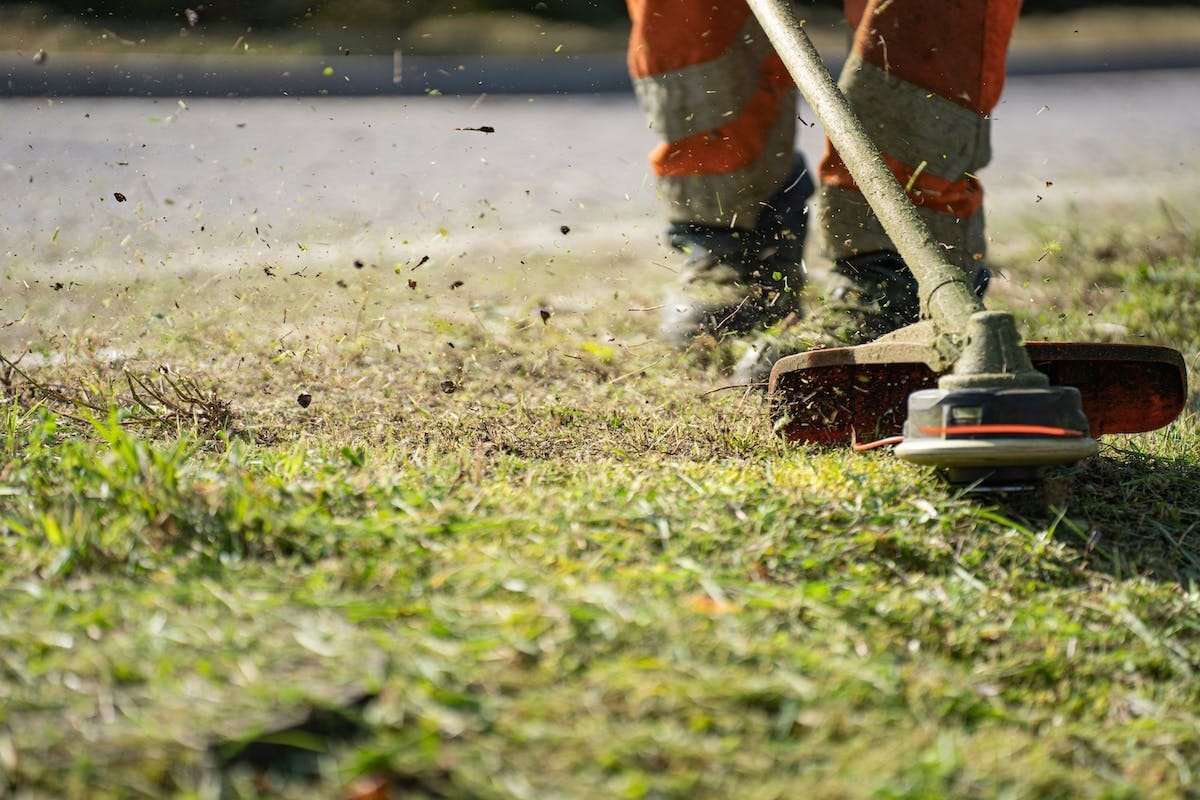
Brush cutter: which tool to choose for each type of vegetation
In the choice between a line or a blade for your brush cutter, you must consider the versatility and precision that each tool offers when it comes to working on different types of vegetation.
The first consideration concerns fine and tall grasses. In this case, using a line may be more appropriate. Its flexibility will effectively reach difficult-to-access areas while cutting the grass cleanly. The line will also be less likely to damage nearby fragile plants.
When faced with thick brush or stubborn brambles, a blade may prove to be the best choice. Thanks to its solid and sharp structure, it can easily cut through these more resistant vegetation without the risk of breaking like a line would.
If you need to trim neat edges around trees or delicate flower beds, once again the blade offers better precision thanks to its sharp edge, allowing for meticulous work without damaging surrounding plants.
It should be noted that some models of brush cutters offer the possibility of using both the line and the blade according to your specific needs.
Performance and efficiency: the impact of cutting on speed and quality
Another essential aspect to consider is the cutting speed and efficiency of each option. Brush cutters equipped with a line tend to offer a higher rotation speed, allowing for a quick cut of fine grasses. This speed may be offset by the frequent need to replace the line when it wears out quickly.
In contrast, brush cutters with a blade may offer a slightly lower cutting speed due to the additional weight it entails. However, they often come with a superior power to compensate for this and ensure optimal efficiency when dealing with more robust brush.
The quality of the final result is also a crucial element in the choice between a line or a blade. The line tends to cut grass with precision and uniformity, giving your outdoor space a neat and tidy appearance. In contrast, certain types of fibrous or tough grasses may not cut cleanly with a line.
On its side, the blade generally offers a solid edge that allows for easy cutting even of the most resistant vegetation. It thus ensures a flawless finish on all types of terrain. However, incorrect or careless use of a blade can lead to damage to surrounding plants.
Be sure to choose between a line or a blade for your brush cutter. If you are looking for versatility and precision, the line may be a good choice for fine and tall grasses. On the other hand, if you need to tackle thick brush or stubborn brambles, opt for a robust blade instead.
Make sure to consider the cutting speed desired as well as the quality of the final result to achieve optimal performance from your brush cutter. Don’t hesitate to consult the manufacturer’s recommendations to choose the accessory that best suits your specific situation.
Handling comfort: line and blade what are their ergonomic advantages
When it comes to ergonomics and maneuverability, the choice between a line or a blade for your brush cutter can also play a crucial role in your final decision. Indeed, each option offers distinct advantages in terms of handling comfort.
Let’s start with the line. Brush cutters equipped with a line are generally lighter and easier to handle. This makes them ideal for users who prefer a less cumbersome and more maneuverable machine. The fact that you do not have to carry or manipulate a heavy blade can reduce muscle fatigue during long usage sessions.