Body art is a deep personal expression, and among the various types of piercings, nipple piercings are becoming increasingly popular. This personal choice can also come with complications if proper care is not taken. This comprehensive guide will cover all the essential aspects for optimal care of your nipple piercing. From cleaning to healing, warning signs of infection to how to sleep comfortably, this guide will provide you with valuable information to ensure a safe and enjoyable nipple piercing experience.
The history of nipple piercing: an ancient and mysterious practice
The nipple piercing offers a variety of styles to suit each individual. Among the most popular are the straight or curved barbell, the captive bead ring, and horizontal and vertical piercings. Each has its own aesthetic characteristics, but all require appropriate post-piercing care.
While there are different methods to care for your new body jewelry, one of the safest and most effective is to clean the pierced area with a saline solution specifically designed for piercings. This product can easily be found at your local pharmacy under the name ‘saline solution piercing pharmacy’.
The saline solution is an excellent way to gently remove impurities that accumulate around the piercing site without irritating the skin or delaying the healing process. To use this solution properly, simply apply a few drops to a clean cotton swab and gently clean the pierced area twice a day.
You need to be vigilant in the first few days following the piercing. If you observe these alarming symptoms, do not hesitate to consult a qualified professional who can guide you towards the appropriate care.
During the healing process—which can vary from person to person—it is crucial to adopt certain preventive behaviors: avoid any oral contact with the piercing (kissing), limit any friction against rough clothing as much as possible, and prefer to wear loose tops rather than tight ones during physical activities to reduce any excessive friction that could further irritate the piercing site.
Fully experiencing your piercing involves not only wisely selecting your style but also ensuring proper daily care, particularly with the ‘saline solution piercing pharmacy’. This is how you respect this new decorative element of the body while minimizing its associated potential risks.
Nipple piercing: discover styles and trends
Before embarking on the adventure of a nipple piercing, certain precautions must be taken to ensure your safety and the success of the procedure. Here are some tips to follow before taking the plunge.
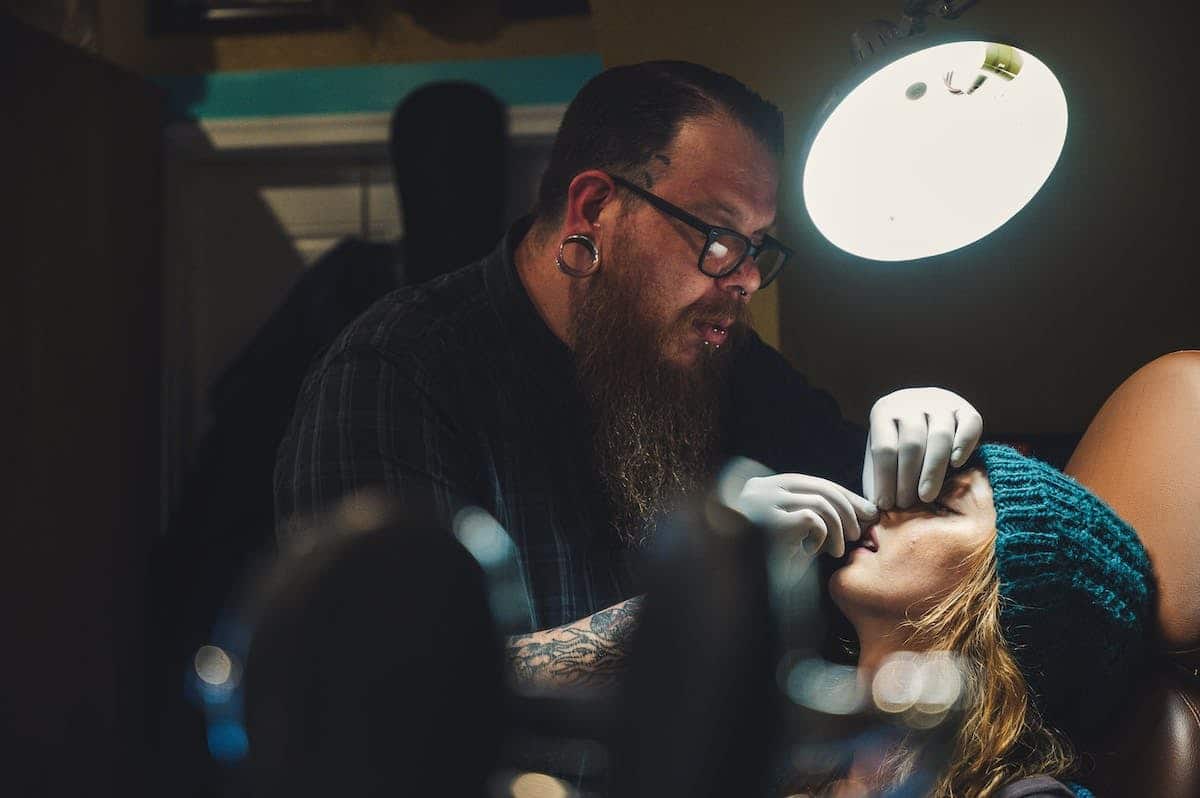
Carefully choose your piercer. Opt for an experienced and reputable professional in the field of body piercings. Make sure they use sterile and disposable equipment to avoid any risk of infection. Do not hesitate to ask for recommendations or check online reviews to ensure you make the right choice.
It is also essential to be in good health before getting pierced. If you have a particular medical condition such as diabetes, hemophilia, or heart disease, consult your doctor beforehand to assess whether the procedure is safe for you.
Take the time to fully understand the risks associated with nipple piercing. Although it is generally considered safe when performed by a competent professional, there is always a possibility of infection, jewelry rejection, or even more serious complications such as excessive bleeding or partial or total loss of the nipple.
To minimize these risks, ensure you adopt a rigorous hygiene routine before and after the procedure. Take a careful shower with unscented antibacterial soap before your appointment with the piercer. Also, avoid prolonged exposure to the sun, swimming pools, or saunas during the first weeks after the piercing.
Think carefully before choosing your jewelry. The material used should be hypoallergenic to avoid any allergic reactions. Popular options include surgical steel, titanium, and niobium. Avoid low-quality materials such as plastic or cheap metals that could cause irritation.
The nipple piercing is a personal decision that requires careful preparation and attentive follow-up. By following these essential precautions, you can maximize your chances of a positive and safe experience while fully enjoying your new body jewelry.
Nipple piercing: essential precautions before getting started
Once you have taken the step of getting a nipple piercing, you must follow this process.
Gently clean the pierced area twice a day using a sterile saline solution. Avoid harsh chemicals such as alcohol or hydrogen peroxide, as they can irritate the delicate skin around the piercing. Instead, use a saline solution specifically designed for piercings or prepare one at home by mixing 1/4 teaspoon of non-iodized sea salt in 250 ml of filtered warm water.
After applying the saline solution to your pierced nipple, make sure to rinse well with clear water to avoid leaving any salty residues on your skin. Gently pat dry with a clean paper towel. Do not use a fabric towel that could snag on the jewelry and cause irritation.
For several weeks after your nipple piercing, avoid any direct contact with dirty or potentially contaminated objects such as tight or synthetic clothing that rub against the piercing. Instead, opt for loose cotton clothing that allows your skin to breathe and reduces the risk of infection.
You should use waterproof bandages to protect your piercing during contact with water.
If you experience pain, swelling, or persistent redness after several days, consult a healthcare professional specializing in body piercings immediately. You may have developed an infection or an adverse reaction that requires medical attention.
It is important to note that each individual heals differently and at their own pace. So do not be discouraged if your nipple piercing takes longer to heal than expected. Just carefully follow the instructions given by your piercer and remain vigilant regarding the signals your body sends.
Caring for a nipple piercing requires patience and commitment. By maintaining rigorous hygiene and carefully listening to the recommendations of professionals, you can promote optimal healing while fully enjoying your new body jewelry without worry or complications.
After the nipple piercing: essential care to know
When you opt for a nipple piercing, there are potential risks and complications that can arise. Although these problems are not common, it is important to be aware of them so you can respond quickly if necessary.
The first possible complication is infection. Due to the nature of the nipple piercing, an open wound is created, which can create a favorable environment for bacteria to enter. If you notice signals such as a significant increase in pain, intense redness, or abnormal discharge from the pierced site, this may indicate an infection. In this case, consult your piercing professional or your primary care physician immediately.
Another common complication in some individuals is the rejection of body jewelry by the body. This occurs when the body perceives the jewelry as a foreign object and thus attempts to eliminate it by gradually pushing the piercing toward the surface. If you notice that your jewelry is becoming visible under the skin or that it starts to move regularly even after complete healing, this could be an early sign of rejection. In this case as well, do not hesitate to consult a professional for appropriate advice.
Allergies to materials used in jewelry can also be a source of discomfort or even serious complications for some sensitive individuals. Piercings made with certain metals such as nickel can cause skin allergic reactions, such as itching, redness, or even rashes. If you are prone to allergies and wish to avoid any issues, opt for high-quality titanium or surgical steel jewelry that is generally well tolerated by most.
It should be noted that inappropriate care can also lead to complications. Never touch your piercing with unwashed hands and avoid excessively manipulating the jewelry while it heals to help reduce the risk of infection. Avoid intense physical activities that could cause irritation or trauma to the piercing.
Ensuring the success of your nipple piercing therefore requires constant vigilance and particular attention to the signals your body sends. If in doubt or if you encounter any problems, do not hesitate to consult a competent professional in the field of body piercing to obtain the appropriate assistance.
Caring for your new body jewelry is essential to ensure its proper healing and minimize the potential risks associated with this practice. Be aware of factors that may affect healing such as infection, jewelry rejection, and material allergies, while carefully following the advice provided by your professional piercer.
Risks and complications of nipple piercing: what you need to know
In this section, we will present essential tips for an optimal healing of your nipple piercing. Following these recommendations will greatly contribute to promoting an effective and complication-free healing process.
Cleanliness is paramount. It is imperative to regularly clean your piercing with an appropriate product, such as a mild unscented soap or a sterile saline solution. Be sure to wash your hands thoroughly before each handling of the jewelry to avoid any additional contamination. Gently clean the pierced site using circular motions to remove residues and bacteria.
It is crucial to avoid any direct contact with potentially irritating or infectious substances. Avoid particularly moisturizing lotions, scented creams, or any other products that could disrupt the natural balance of the skin around the piercing. Also, protect your piercing during water activities by using a waterproof bandage to prevent any infection caused by chlorinated or salty water.
A healthy and balanced diet can also play an important role in the optimal healing of your nipple piercing. The nutrients found in certain foods can promote collagen production and accelerate the healing process. Therefore, opt for a diet rich in vitamins C and E as well as zinc, which are known for their beneficial properties on skin health.
Another essential tip is to avoid manipulating or twisting the jewelry during the healing period. This practice can not only introduce additional bacteria but also hinder the healing process by creating microtraumas to the skin.
Healing of the nipple piercing: our tips for successful healing
In this same vein, be sure to wear loose and comfortable clothing to avoid excessive friction on the piercing. Synthetic or tight fabrics can irritate the pierced area, prolonging the healing time. Instead, prefer natural materials like cotton that allow the skin to breathe freely.
A key element of the healing process lies in overall body hygiene. Take care of yourself in general by regularly taking a shower or bath to eliminate impurities that accumulate on your skin throughout the day. Be sure not to use abrasive sponges or exfoliating gloves that could further irritate the area where your piercing is located.
If despite all your efforts you notice alarming signals such as excessive swelling, intense redness, persistent pain, or abnormal discharge from the pierced site, do not hesitate to consult a professional piercer or your primary care physician immediately. These symptoms may be signs of an infection and require appropriate medical intervention.
Keep in mind that each individual is unique and that the time required for healing can vary depending on several factors such as age, overall health, and daily habits. Be patient and strictly adhere to these tips to optimize the healing of your nipple piercing.
Caring for a nipple piercing requires special attention and specific precautions. By following these recommendations regarding hygiene and nutrition, you will promote an optimal healing process and minimize potential risks. Also, remember to regularly consult a professional to check the progress of the piercing.