
One morning, the station’s screen displays dashes instead of the outdoor temperature, the sensor is unresponsive, and the indoor humidity seems stuck at an abnormal value. Before looking for a new model, a well-executed reset resolves most of these issues. The procedure varies by brand, but the principle remains the same: cut the power, clear the residual memory, and restart the synchronization between the base and the sensors.
Order of battery removal and discharge time: the detail that manuals overlook
Most user manuals indicate removing the batteries and then putting them back in. What they rarely specify is the order in which to proceed and the actual waiting time before reconnecting everything.
On models with a wireless outdoor sensor and a battery-powered indoor base (or powered by an adapter and batteries), you always start with the base. First, remove the power adapter if there is one, then the batteries from the base. Only then do you remove the batteries from the outdoor sensor. This sequence prevents the base from searching for a signal while the sensor is restarting, which can create a synchronization conflict.
The waiting time is another often underestimated point. Leaving everything powered off for a few minutes allows the internal capacitors to fully discharge. On some La Crosse Technology models, a too short wait prevents the memory from clearing, and the station restarts with the old corrupted data. If there is a reset button at the back of the base (often a small hole accessible with a paperclip), press it before reinserting the batteries.
When you want to easily reset a weather station, following the shutdown and restart sequence makes all the difference between a clean reset and a shaky restart.
Restoring sensor-base connection after a weather station reset
The reset itself is useless if the resynchronization with the outdoor probe fails. This is the most common point of failure.
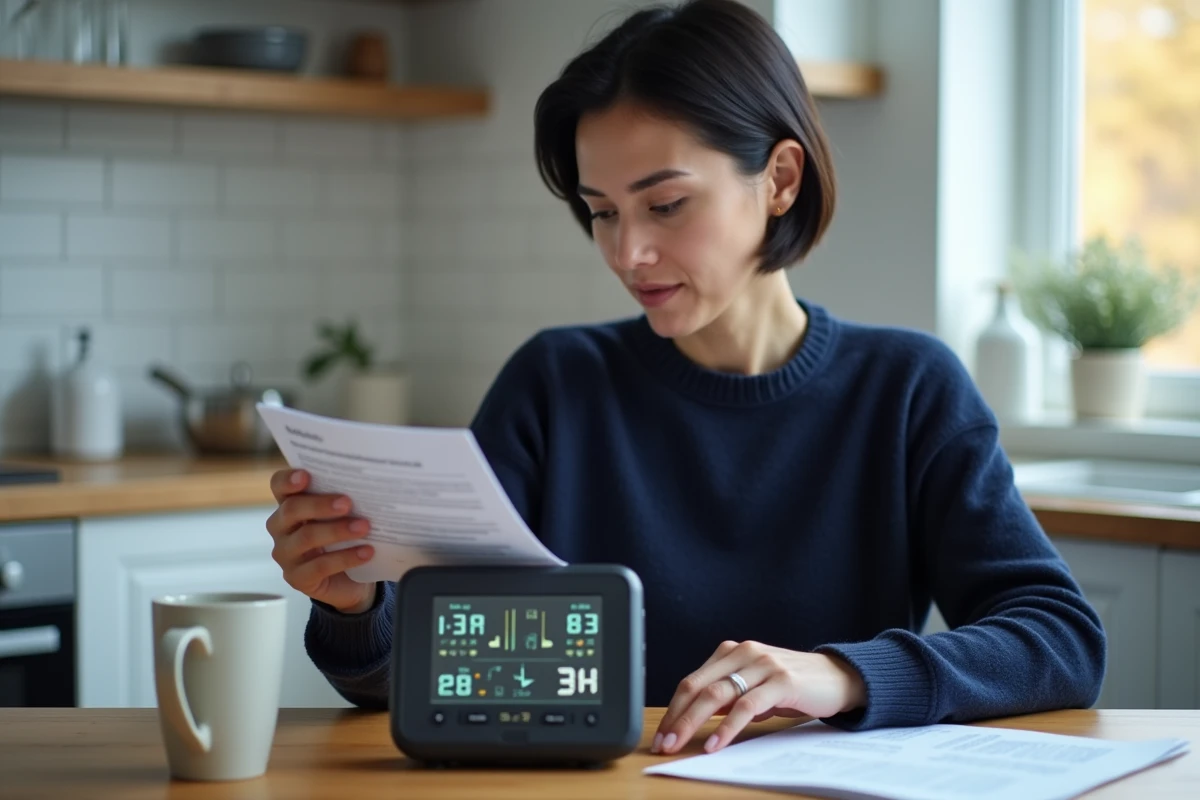
When powering back on, first install the batteries in the outdoor sensor. Wait for its LED to blink or for it to emit a signal (depending on the model, a small diode lights up briefly). Then, put the batteries back in the base. The base must detect the sensor within the first few minutes after powering on. After this time, you need to start over from the battery removal.
Here are a few points to check if the sensor refuses to reconnect:
- The distance between the probe and the base: load-bearing walls, metal structures, and double glazing significantly reduce the range of the wireless signal, well below what the manufacturer claims.
- The condition of the batteries: weakly charged batteries may sometimes power the sensor’s display without providing enough energy to emit a stable radio signal.
- The frequency channel: on some models (La Crosse Technology, Lidl stations), a channel switch is located at the back of the sensor. It must match the channel selected on the base; otherwise, the connection will not be established.
Feedback varies on this point, but temporarily repositioning the sensor one or two meters from the base during the pairing phase often facilitates detection, even if the final location is farther away.
Connected weather stations: reset without losing data history
On connected stations like the Netatmo, resetting is done through the app and not just by removing batteries. The main trap: removing the station from your account deletes the entire history. Temperature, humidity, atmospheric pressure, air quality—all is irreversibly erased.
Before initiating a complete reset, first test a simple power restart (unplug the USB cable, wait, plug it back in). This action is usually sufficient to resolve most Wi-Fi connection losses without affecting the recorded data.
If the restart does not fix the issue, a complete reset via the app becomes necessary. You then remove the station from the home in the app and reconfigure it as a new device. All historical data and configuration settings will be lost. There is no export or local backup function on this type of station, making the decision significant.
Preventing recurring blockages on a weather station
A reset that needs to be repeated every month indicates an underlying problem that a reset alone will not resolve.
The most common causes of repeated malfunctions:
- Poor quality or mixed batteries (a new one with an old one) causing micro-cuts in the outdoor sensor.
- A sensor exposed to direct sunlight, which skews the temperature measurement and can disrupt the internal electronics over time.
- A setup too close to a device operating on the same frequency band (baby monitor, Wi-Fi router, microwave), which interferes with the wireless communication between the probe and the base.
Changing the batteries of both components at the same time, at least once a year, remains the simplest maintenance action to avoid unexplained signal losses. For models powered by an adapter, plugging the base into a power strip with a switch allows for a quick reset in case of data freezing, without searching for the small button on the back of the device.
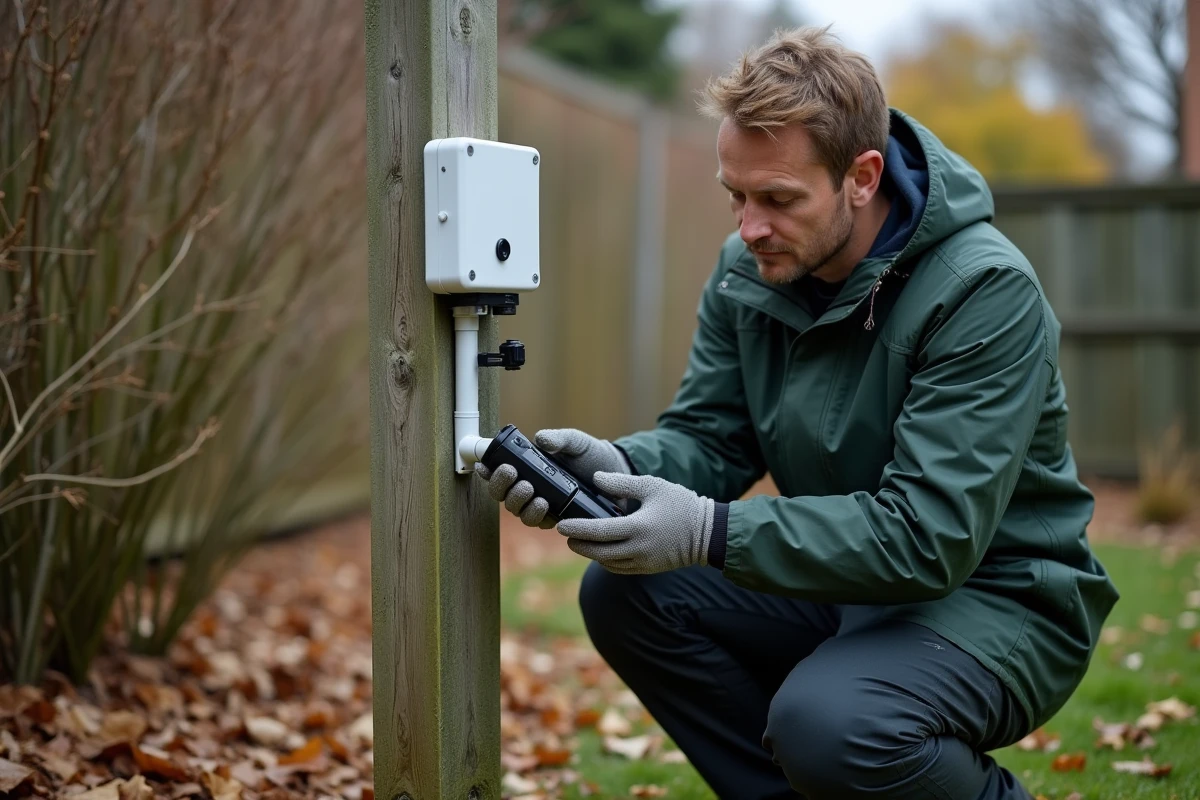
A weather station that disconnects regularly after a storm or power outage also deserves a check on the condition of its outdoor sensor: water infiltration in the battery compartment, oxidation of contacts, casing cracks. The software reset does not compensate for a hardware failure.