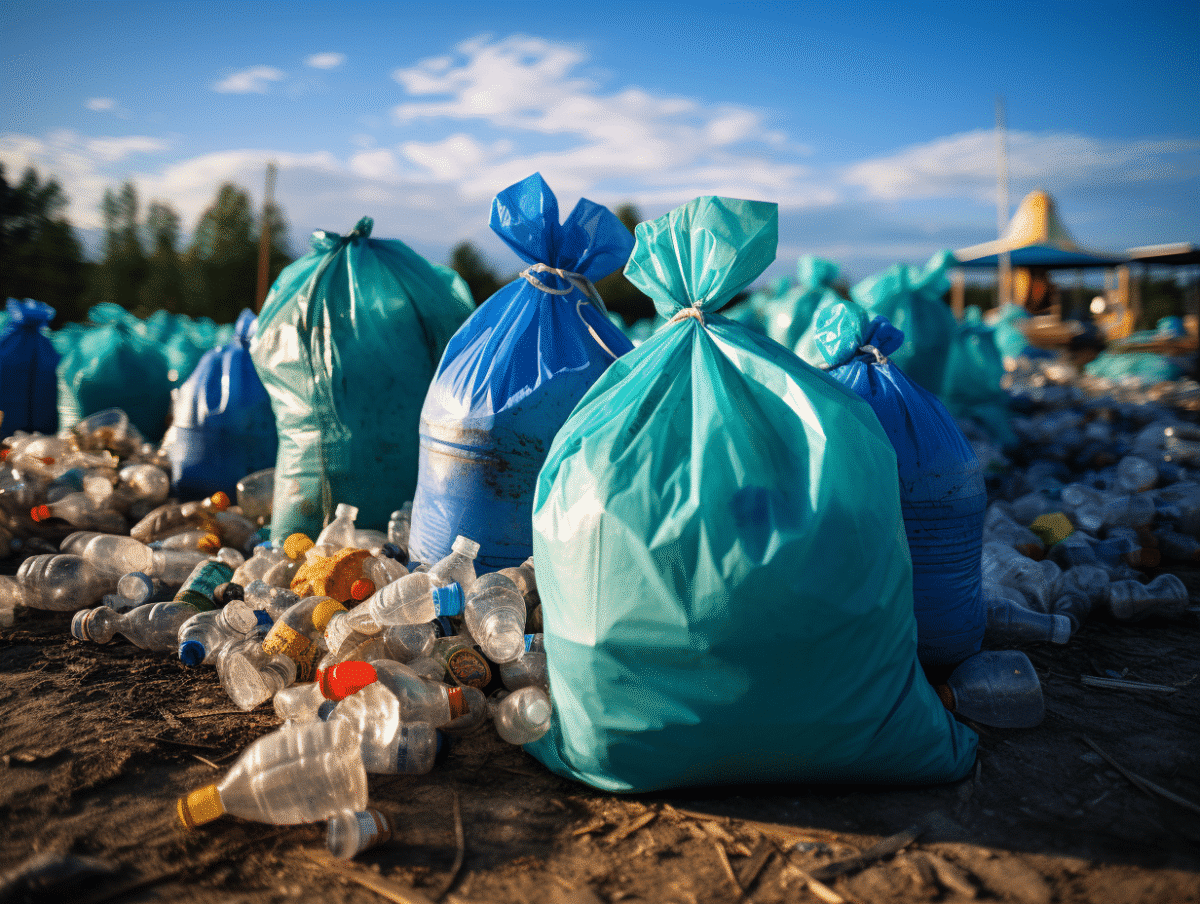
When the time comes to say goodbye to an inflatable mattress, whether it is punctured beyond repair or simply become unnecessary, the question of its disposal arises sharply. Tons of plastic waste end up in landfills and oceans each year, exacerbating environmental issues. Be sure to find responsible alternatives to part with these bulky items in an eco-friendly manner. This challenge invites exploration of innovative and sustainable solutions, such as recycling, donating to charities, or repurposing the item into DIY material or artwork.
Eco-friendly options for disposing of an inflatable mattress
Faced with the dilemma of how to dispose of an inflatable mattress in an eco-friendly way, consumers are turning to alternative solutions. A mattress has a lifespan of about 10 years, after which it is often necessary to replace it to ensure optimal sleep quality. However, inflatable mattresses can be recycled, thus avoiding contributing to waste accumulation.
Many charitable organizations are often looking for reusable materials to help the less fortunate or for alternative uses such as in animal shelters. Donating old mattresses to these organizations is a supportive and responsible way to extend the life of these products. Some stores also offer recycling services, taking care of used mattresses to transform them professionally.
Beyond traditional recycling, upcycling presents itself as a creative option for end-of-life mattresses. Inflatable mattresses, made of various materials such as cotton, foam, latex, polyester, or even steel springs, offer potential for transformation into decorative objects or original furniture. Upcycling allows for the reinvention of the item, giving it a second life while preserving the environment.
The handling of these items by specialized waste disposal facilities is another avenue to consider. These facilities have the necessary equipment to break down and sort the different components of inflatable mattresses, ensuring proper recycling. This approach is essential to minimize environmental impact and participate in a virtuous circular economy.
Recycling and creative reuse of your inflatable mattress
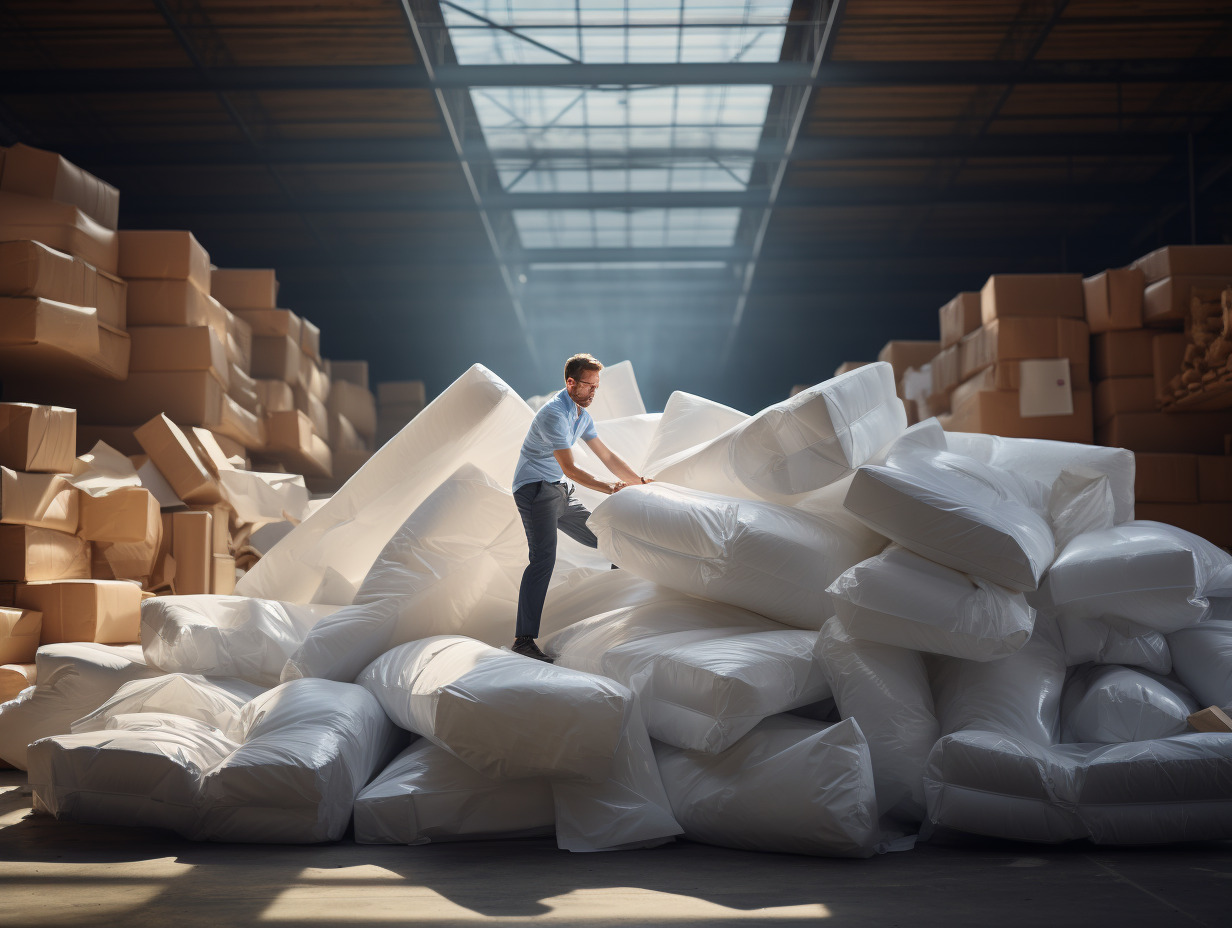
The recycling of an inflatable mattress is not an easy task, but it proves to be an ecological necessity. An old mattress, whether pneumatic or hybrid like the Tediber mattress, contains various materials that are often recyclable. Foam, latex, polyester, and even spring bases can be separated and recovered in suitable recycling streams. The collection and processing of these materials require special attention to prevent them from ending up in landfills and harming the environment.
Upcycling, or surcyclage in French, is emerging as a growing trend, driven by increasing environmental awareness. This approach involves transforming end-of-cycle products into new value creations. An inflatable mattress can be reborn as decorative objects, bags, poufs, or even tent canvases. Imagination is the only limit to transforming cotton, foam, latex, or steel springs. Upcycling is not just reuse; it is reinvention.
Reflecting on the life cycle of a product becomes central to our consumption patterns. Spring bases, for example, are fully recyclable, and their metal can be melted down to be cast into new objects. The inflatable mattress, for its part, offers a variety of uses once decomposed. Be sure to turn to specialized collection points capable of valuing each component. These initiatives reduce carbon footprints and encourage a circular economy, where every product deserves a second chance.