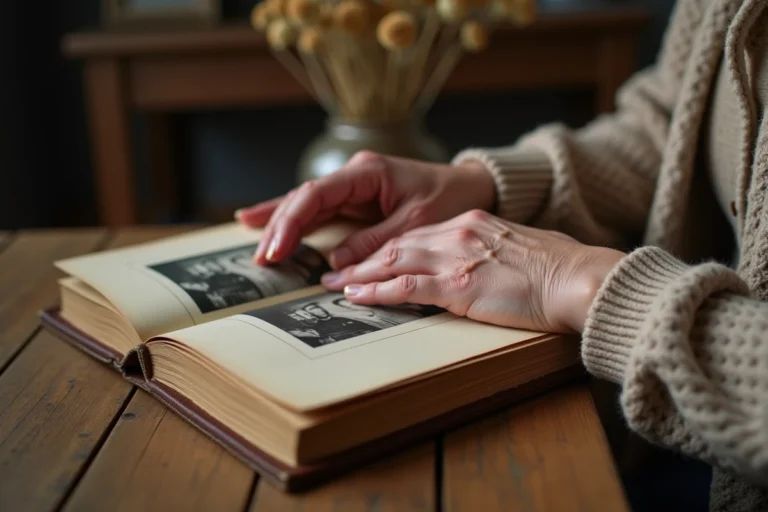
The art of tattooing, with its ancient roots and deep cultural resonances, often serves as a canvas to express the intimacy of human emotions. Isolation, a universal feeling exacerbated in our hyper-connected yet fragmented societies, finds an echo in the patterns and lines of indelible ink. Tattoos representing isolation can range from the direct illustration of a solitary figure to abstract symbols evoking separation and introspection. They tell stories of chosen or imposed solitude, silent contemplation, and the search for self through emotional or physical distance.
The expression of isolation in tattoo art: an inked introspection
The art of tattooing has developed over the centuries as a favored means of expression to represent not only belonging to a group but also, more intimately, isolation and solitude. Tattooing, a practice documented since the Neolithic, seems to be a form of universal language, transcending cultural barriers to reveal the most buried emotions. The solitude tattoo, through images imbued with melancholy or enigmatic symbols, becomes a personal reflection of the soul, a silent cry from the isolated individual.
In society, tattoos often function as a mirror of lived experiences. Tattoo artists, true skin artists, draw from their palette of inks and patterns to inscribe on the flesh narratives of separation, alienation, or the quest for identity. The tattoo as an expression of isolation can manifest through images of solitary animals, desolate landscapes, or discordant geometric figures, symbolizing the gap between the individual and their surroundings.
The introspective dimension of tattooing rests on its permanent nature. This indelible marking on the skin, performed by the tattoo artist using a dermograph, allows the bearer to materialize a part of their personal history. Tattoos evoking isolation often recount a moment of rupture, a transition, or a period of deep reflection. They are the visible trace of a felt invisibility, of inhabited solitude, translating the human experience in its complexity and diversity.
The tattoo as a visual language of isolation and human connection
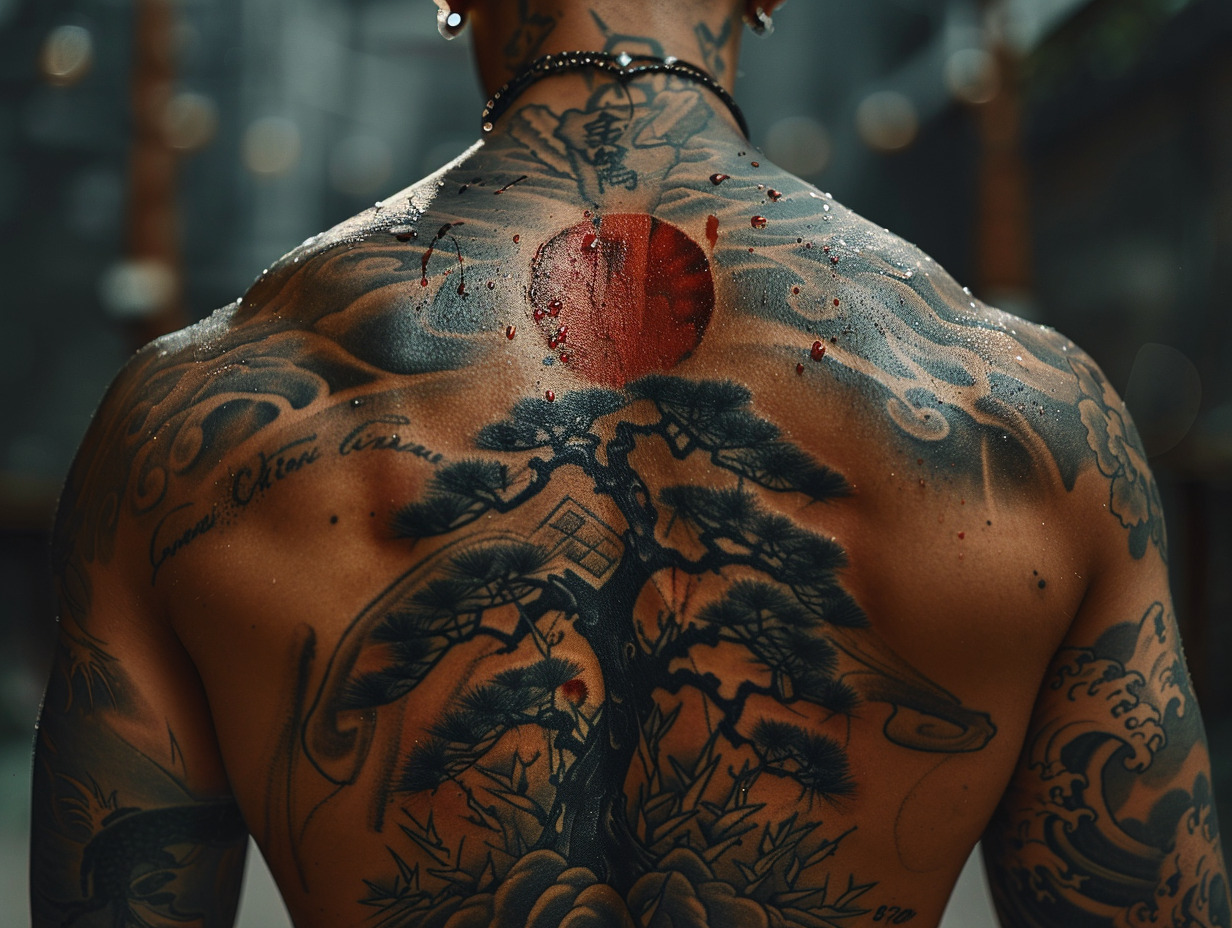
The tattoo visual language transcends the expression of isolation to also establish a deep connection with humanity. This form of body art, which uses tattoo ink as a medium to bring patterns and symbols to life, serves as a bridge between the individual and the collective. The patterns, whether influenced by the Japanese culture of Irezumi or by more contemporary practices, convey meanings that resonate beyond the skin of the bearer, touching those who observe and decode their story.
In a society where tattooing has become mainstream, women and men engrave on their bodies life stories that speak to all. Each stroke of ink, each shade of color, carries within it a fragment of the human experience, making tattooing an open book on the skin. The dermograph, wielded by the tattoo artist, thus becomes a storytelling instrument, transforming the act of isolation into an act of cultural and emotional sharing.
Tattooing, although it may be perceived as a sign of isolation, actually embodies a universal quest for meaning and belonging. Whether it involves temporary tattoos made with henna or permanent tattoos embedded in the layers of the epidermis, this ancestral practice continues to weave invisible links between individuals. It celebrates not only the uniqueness of each personal story but also the human connection that arises from it, highlighting unity in the diversity of life experiences.