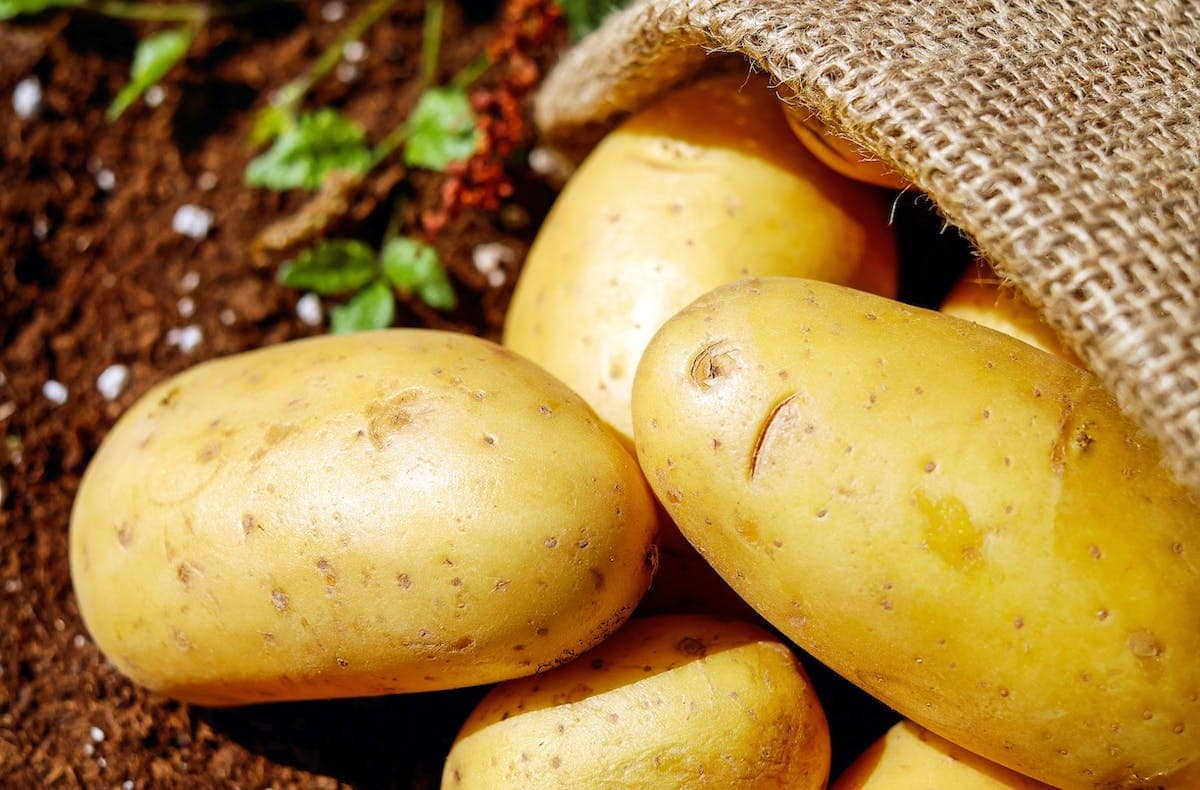
Growing potatoes may seem like a simple task, yet this activity requires special attention, especially regarding watering. You need to know when to water, but also how to do it in order to optimize the growth of these tubers. Improper watering can lead to problems such as blight or rot. Good watering, on the other hand, will promote a bountiful and healthy harvest. A comprehensive guide to watering potatoes can be a valuable tool for gardeners, whether they are novices or experienced.
The Ideal Timing for Watering Your Potatoes
It is essential to understand the different water needs of potatoes to ensure a successful crop. The term ‘potato watering’ refers to the specific hydration process required by this plant.
In general, potatoes need a well-drained and moist soil, but not waterlogged. Excessive irrigation can lead to tuber rot or promote the appearance of fungal diseases. Conversely, a lack of water can slow growth and decrease yield.
Watering should be monitored throughout all phases of the growing cycle: germination, leaf growth, and tuber formation—all of which require a good amount of water to ensure proper development.
At the time of germination, it is important to provide enough water to the newly planted seedlings. This initial watering will help the tuber develop its underground roots while starting to push upwards.
During the leaf growth phase, the need for water gradually increases: the faster the leaves develop, the more careful treatment they require. Adequate watering will allow the leaves to increase their photosynthetic surface area, a key element in the production of sugars that will later fuel the formation of the future tuber.
The third key stage—often underestimated—concerns the famous process known as tuberization. As soon as you observe your plants bearing their first flowers (a sign that they have entered this period), ensure that you subsequently increase the total weekly volume allocated to the ‘potato watering’ process.
However, let us not forget that these are primarily guidelines; each variety has its own unique character with its respective individual needs… Thus, you must consider not only these three major key stages but also adapt your approach according to the varying climates and other potential external conditions encountered throughout the growing season!
It is also important to remind here, as everywhere else, that no exact science advances without some residual mysteries… The complex art of successfully marrying traditional know-how with numerous current technological discoveries that are increasingly innovative to achieve the best possible yields!
Understanding the Water Needs of Your Potatoes
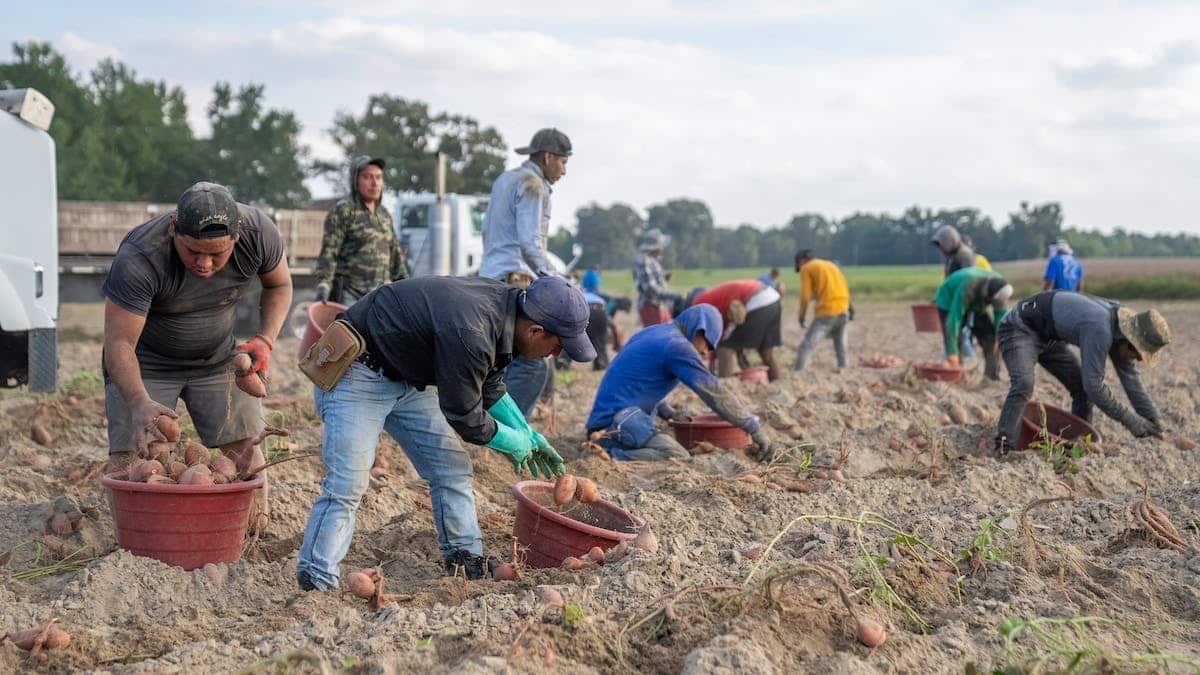
To meet the water needs of potatoes, different watering methods can be used. The most common method is sprinkler irrigation. This technique involves using an irrigation system that sprays water in the form of droplets over the entire surface of the field. This allows for uniform water distribution and avoids any waste or excessive accumulation.
Another popular method is drip irrigation. With this approach, the plants receive a regular and controlled water supply directly at the root level. It has several advantages, including efficient water use and a reduction in the risk of fungal diseases caused by excessive moisture on the leaves.
The use of a buried system can also be considered for irrigating potatoes. This type of installation allows for precise and targeted watering at the root level without wetting the foliage. Be sure to monitor the moisture levels carefully.
There are also alternative methods such as using mulch, which involves covering the soil with a thick layer of organic material to retain moisture and reduce evaporation. This technique helps maintain a constant level of hydration while limiting water needs.
It is important to note that regardless of the method chosen, you should regularly monitor the water needs of potatoes. Factors such as weather, soil type, and the variety grown can influence these needs. Growing potatoes requires an adapted and well-mastered approach. By understanding the specific needs of the plants as well as the different watering methods available, it is possible to achieve a healthy and productive crop. The wise use of water contributes to the preservation of natural resources while ensuring optimal yield.
The Best Watering Techniques for Your Potatoes
When it comes to watering potatoes, certain mistakes should be avoided to ensure optimal growth and yield. The first mistake to avoid is overwatering. Some gardeners tend to think that the more they water, the better it is. Excess water can lead to problems such as root rot, the development of fungal diseases, and even the loss of plants. Keep in mind that potatoes require adequate but not excessive moisture.
Another common mistake is irregular watering. Potatoes prefer regular irrigation rather than sporadic watering. Alternating between dry periods and excessively wet periods can harm root system development and negatively affect final yield.
Attention should also be paid to the timing of watering. Many gardeners make the mistake of watering their potatoes in the middle of the day when the sun is at its peak. This practice leads to rapid evaporation of water before it has time to be absorbed by the plants. The best time to water is generally early in the morning or late in the afternoon when temperatures are cooler and evaporation is lower.
Do not neglect the quality of the watering water. Poor quality water, rich in mineral salts or chlorine, can damage potato plants. If possible, opt for soft, untreated water.
By avoiding these common mistakes when watering potatoes, you can maximize the potential of your crop and achieve satisfactory results. Be attentive to the specific needs of the plants, follow good irrigation practices, and adjust your approach based on changing environmental conditions. With proper water management and constant care, you can enjoy a bountiful and delicious harvest that meets your expectations.
Avoid These Mistakes When Watering Your Potatoes
When it comes to watering potatoes, it is crucial to carefully monitor the signals indicating water stress in your plants. A lack of water can have serious consequences on the growth and development of the tubers.
A first sign that your potatoes are suffering from water stress is the wilted and drooping appearance of the leaves. Indeed, when the plants lack water, they reduce their transpiration by closing their stomata to limit excessive water loss through evaporation. This leads to a decrease in turgor in the leaves, which gradually soften and wilt.
Another manifestation of water stress in potatoes is the premature yellowing of the lower leaves. When water becomes scarce, the plant redistributes its resources to the essential parts for its survival, such as new shoots or forming tubers. The older leaves are then sacrificed and begin to yellow even before their normal drop.
Beyond the visible changes in the leaves, you may also notice a general slowdown in vegetative growth and a decrease in potential yield when a plant undergoes prolonged water stress. The tubers may be smaller than expected or have a less firm texture when harvested.
Recognizing Signs of Dehydration in Your Potatoes
To optimize the watering of potatoes and prevent any water stress, here are some wise tips to follow:
Know the water needs: it is important to understand the specific water needs of potatoes. Generally, they require regular watering to keep the soil consistently moist but avoid excessive saturation. Careful monitoring of the soil will allow for proper assessment of the necessary quantities.
Opt for deep watering: Instead of watering superficially every day, it is better to water more spaced out but deeply. This will promote a more vertical root development and allow the plants to better withstand dry periods.
Favor watering at the base: To avoid wasting water through evaporation or runoff, it is recommended to water directly at the base of the plants rather than on the surface. This method ensures optimal water distribution to the roots that need it.
Use organic mulches: Covering the soil with a thick layer of organic mulch (such as straw or hay) helps maintain moisture in the soil and also reduces the growth of competing weeds.
Water early in the morning or late in the evening: The most appropriate times to water potatoes are early in the morning or late in the evening. This allows water to penetrate effectively into the soil without evaporating quickly under the sun.
Regularly assess soil moisture: An indispensable tool for checking if your plants need water is a moisture meter or simply inserting your finger into the soil to a depth of about 5 cm. If it is dry, it is a clear signal that it is time to water.
By following these wise tips, you will optimize the watering of your potatoes, promoting their growth and ensuring abundant and delicious harvests. Feel free to adapt these recommendations based on the climatic and environmental specifics of your region.
Tips to Maximize the Efficiency of Watering Your Potatoes
Despite their robust appearance, potatoes are sensitive to excess water. Here are some common mistakes to avoid to ensure effective watering:
Excess water: Overwatering can lead to the development of fungal diseases, such as blight, which can quickly devastate your potato plants. Avoid excess by regularly controlling soil moisture.
Surface watering: Watering only the surface of the soil does not allow for sufficient penetration of water to the roots of the plants. This often leads to a shallow and fragile root system, making the plants more vulnerable to water stress.
Improper use of automatic irrigation systems: Automatic irrigation systems can be convenient, but they require special attention to avoid waste or under-watering. Ensure that these systems are well adjusted and suited to the specific needs of potatoes.
Ignoring natural signals: Carefully observing your plants will often allow you to identify certain signals indicating whether your watering is adequate or not. Wilted or yellowing leaves can be an indicator that your plants are lacking water and that it is time to intervene.