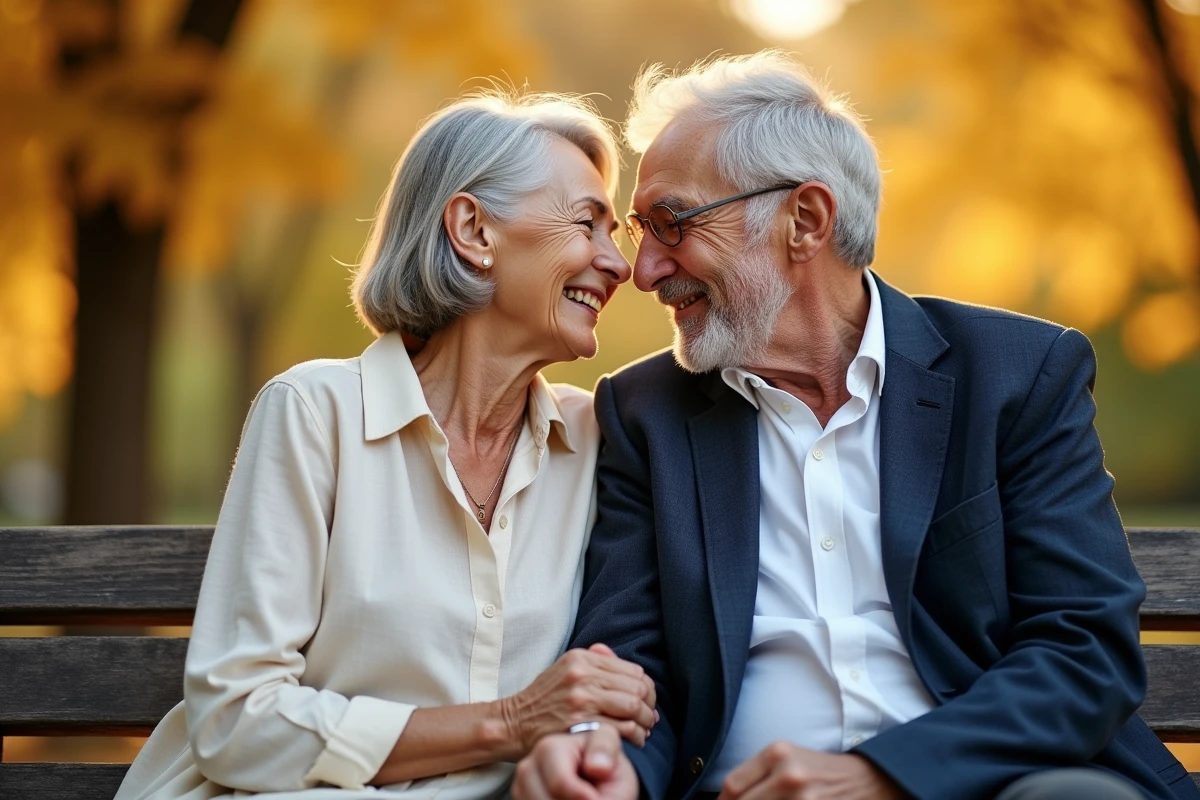
Getting married after 70 is no longer just an anecdote. The number of marriages among seniors has been steadily increasing for several years, driven by motivations quite different from those of a first marriage. Behind this trend, we find legal protection, family restructuring, and the fight against isolation, which deserve to be detailed.
Protection of the surviving spouse: the true driver of late marriage
When living as a couple after 70 without being married, the surviving spouse finds themselves in a fragile situation upon the partner’s death. Neither cohabitation nor PACS provides automatic rights to the survivor’s pension. Only marriage grants this access, and for many seniors, this point is enough to motivate the step.
Inheritance follows the same logic. A spouse inherits a protected reserved share by law. A cohabitant, even after twenty years of living together, has no inheritance rights unless specified in a will, which is itself limited in the presence of reserved heir children.
Many senior couples who take the plunge seek to understand why marrying at 70 often comes down to securing the one who will remain. This patrimonial motivation weighs more heavily than the symbolism of the ceremony.
Marriage remains the only legal framework that fully protects the surviving spouse, both in terms of retirement and assets. This reality pushes couples who have been together for years to formalize their union later in life.
Dependency and medical decisions: an underestimated angle
Have you ever thought about who would make medical decisions for you in the event of a serious hospitalization? For an unmarried couple, the answer is not obvious. The common-law partner is not automatically recognized as a trusted person by the hospital.
Marrying after 70 helps facilitate the recognition of the spouse as a primary contact in case of loss of autonomy, placement in a facility, or major medical decisions. Adult children, even well-intentioned, sometimes live far away or do not share the same vision of care.
Marriage also simplifies access to social rights related to dependency. In the event of one spouse entering a nursing home, the calculation of the maintenance obligation and assistance takes marital status into account.
A status that clarifies roles in the face of fragility
This practical dimension is not romantic, but it matters greatly. A married spouse can sign administrative documents, be contacted first by caregivers, and participate in decisions without having to justify their position.
For seniors anticipating a possible decline in their health, marriage acts as a safety net against vulnerability. It is a legal safety net that neither PACS nor common-law unions fully replicate.
Family restructuring after 70: providing a clear framework
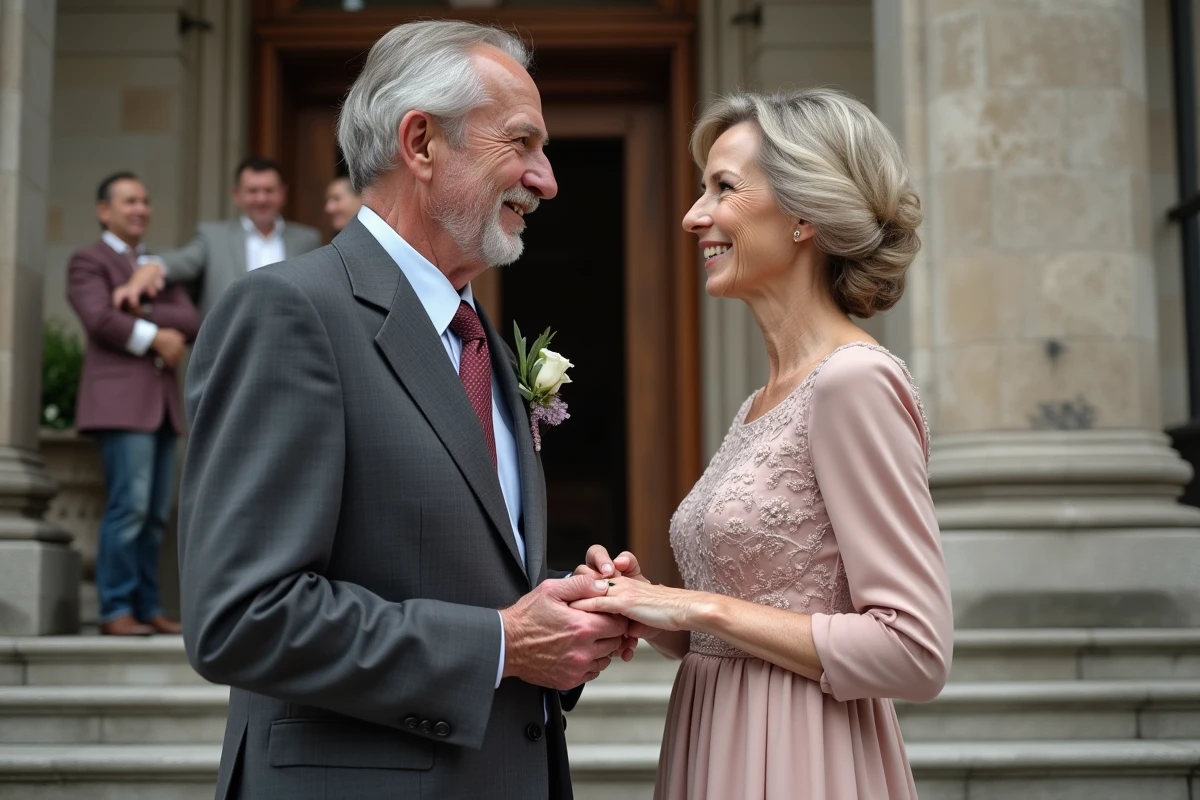
Late marriages often occur after widowhood or divorce. Life paths are long, and families are already structured. Marrying in this context also gives an official status to a new union in the eyes of adult children and distributed inheritances.
The question of family restructuring arises with particular intensity after 70. Children from the first marriage may worry about their inheritance. The new spouse may feel illegitimate in family gatherings.
Marriage provides a framework. It formalizes the relationship in the eyes of everyone, including the administration and notaries. Several choices allow for adapting the marital contract to the situation:
- The separation of property protects each spouse’s assets and reassures existing heirs
- The community of property regime limited to acquisitions restricts the pooling to assets acquired after marriage
- A clause for a donation to the surviving spouse can enhance the protection of the spouse without disinheriting the children
Choosing the right marital regime with a notary allows for balancing the protection of the spouse and respecting the rights of the children. This anticipatory work is at the heart of successful late marriages.
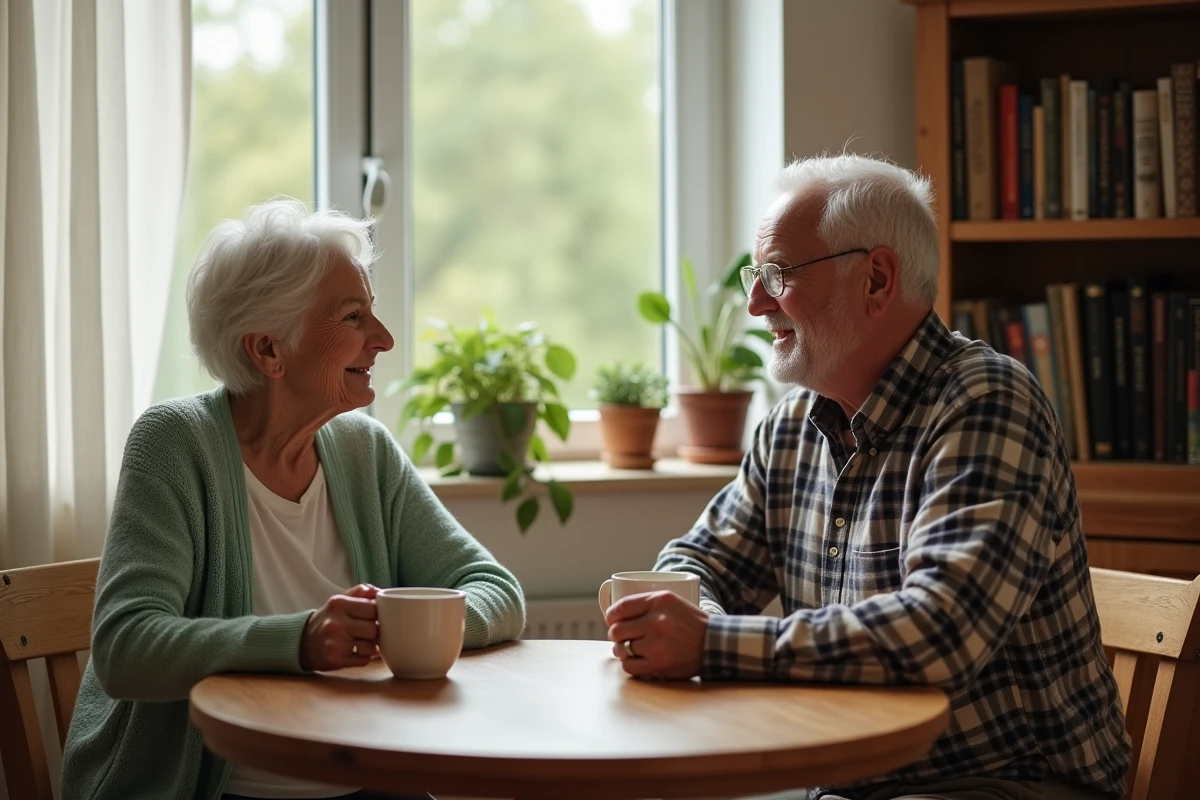
Loneliness, widowhood, and the desire to rebuild a couple’s life
Widowhood and late divorce significantly fuel remarriages after 70. The loss of a spouse after several decades of living together leaves a void that family surroundings do not always fill.
Adult children have their own lives, often in another city. Visits become less frequent. Loneliness sets in, with its documented effects on health: increased risk of depression, faster cognitive decline, loss of daily motivation.
Marriage as a structuring commitment
Why not just live together without going through the town hall? Because for many seniors, formal commitment gives meaning and structure to daily life. Marriage creates a common project, shared rights, and social recognition.
At this age, the decision is rarely impulsive. Couples who marry after 70 often know each other for several years. They have weighed the advantages and constraints. Their choice reflects a thoughtful desire not to go through the last decades of their lives alone.
- Marriage provides a framework for organizing daily life together (housing, finances, health)
- It facilitates joint administrative procedures (taxes, insurance, mutual aid)
- It symbolically marks the beginning of a new chapter, which matters for morale and self-esteem
The increase in senior marriages reflects a profound change in how society perceives romantic life after 70. The motivations blend legal protection, anticipation of dependency, and the need for a structuring bond. Each situation is different, but the common thread remains the same: securing the other and providing a solid framework for a relationship chosen with full awareness.